as the needs of enterprises for cross-border and search engine optimization increase, the reasonable selection of us site group multi-ip servers has become a key decision. this article focuses on "which is the best expansion and upgrade suggestion for us station group multi-ip server rental on the enterprise growth path?" it provides practical selection and upgrade ideas to help decision-makers quickly grasp the core points and risks.
why choose us station group multi-ip server
the us node has advantages in network interconnection and search coverage, and is suitable for the target audience's business deployment in north america or around the world. through multiple ip servers, risks can be dispersed, concurrency capabilities can be improved, and single points of association can be reduced, which is particularly important for large-scale site group operations and seo experiments.
the importance of ip diversity and geographic distribution
ip source and geographical distribution directly affect access latency and search engines' judgment of the site's geographical association. reasonable selection of ips from different operators and computer rooms can improve accessibility and avoid traffic bottlenecks and ban risks caused by a single exit.
legal compliance and custody policy considerations
when renting multi-ip resources, you should give priority to the service provider's acceptable use policy, abuse handling process, and legal compliance. compliance custody helps reduce the risk of account closure or resource recovery, while protecting the long-term operational stability of the enterprise.
server type and resource configuration recommendations
site cluster deployment can weigh between cloud hosting, vps and dedicated servers. cloud hosting is suitable for elastic expansion, vps is a compromise between cost and isolation, and dedicated servers provide maximum control. adjust resources such as cpu, memory, and disk i/o based on site group size and traffic estimates.
comparison between vps, dedicated server and cloud hosting
when comparing, pay attention to network bandwidth uplink, port restrictions, ip binding flexibility and snapshot backup capabilities. small and medium-sized enterprises can first use vps or small cloud hosts to verify their strategies, and when mature, migrate to independent physical machines or high-performance cloud instances to obtain higher stability.
bandwidth, latency and routing optimization
optimization points include ensuring stable upstream bandwidth, selecting multi-link exits, and using intelligent routing or cdn acceleration. pay attention to peak bandwidth requirements and reserve redundancy to avoid packet loss, delay or impact on seo crawling efficiency when traffic surges.
multi-ip management and security measures
in a multi-ip environment, a unified ip asset management system must be established to record ip ownership, usage scenarios and blacklist history. cooperate with automated operation and maintenance scripts and monitoring alarms to promptly detect signs of ip anomalies or being included in the anti-spam list, and quickly respond and replace them.
ip rotation and anti-correlation strategy
when implementing ip rotation, it is necessary to take into account the naturalization of access patterns and business continuity to avoid session interruption or search engine penalties caused by frequent switching. anti-correlation strategies include independent logs, different certificates/whois information and decentralized hosting to reduce the risk of direct correlation between site groups.
firewall and ddos protection recommendations
to ensure stable operation, border firewalls, web application protection and ddos mitigation services should be configured. combined with rate limiting, abnormal access detection and traffic whitelist rules, common network attacks can be defended without affecting normal users.
practical steps for expansion and upgrade
the expansion strategy is recommended to be implemented in stages: first assess the current bottleneck and formulate a capacity plan, and then use batch expansion, automatic scaling and traffic segmentation to verify the effect. ensure rollback mechanism and data backup during upgrade to reduce migration risks and business interruption.
during the expansion process, an indicator system should be established to monitor performance, seo crawling behavior and security events, and combined with log analysis to continuously optimize resource allocation. reasonable operation and maintenance processes and sops can significantly reduce human errors and improve the long-term maintainability of the site group.
summary and suggestions
summary: when enterprises determine "which us station group ip server rental is best for expansion and upgrade suggestions on the enterprise's growth path", they should take compliance, network quality, resource flexibility and security as the core. start with small-scale verification, gradually improve monitoring and operation and maintenance, and then expand resources and ip pools as needed to achieve controllable, safe and efficient site group deployment and upgrades.

- Latest articles
- Community Q&A Summary: Are US Servers Offline And Common Recovery Experiences Nowadays?
- Recommendations For Establishing Audit And Security Incident Response Processes For High-defense VPS Logs Without Filing In Hong Kong
- From The Perspective Of SEO Optimization, Are Cambodia Servers Useful? Their Potential Impact On Rankings
- Analysis Of The Impact Of The U.S. Cluster Server Bandwidth Billing Model On Long-Term Costs
- How To Temporarily Scale Up During Peak Activity By Purchasing A Korean Cloud Server For One Day
- An Operations Perspective Analyzes The Key Points Of High-availability Architecture And Disaster Recovery Design For High-protection Servers In The United States
- Common Customer Questions And Strategies For Promoting Japanese Cloud Servers
- Experts Provide A Detailed Overview Of Several Common Deployment Methods For Hong Kong Server Clusters In The Market
- How Much Does Broadband Cost In Hong Kong Data Centers Compare To Domestic And International Network Latency?
- The Law Reminds Chinese People On How To Trade On Korean Servers And Pay Attention To Compliance In Cross-border Transactions
- Popular tags
-
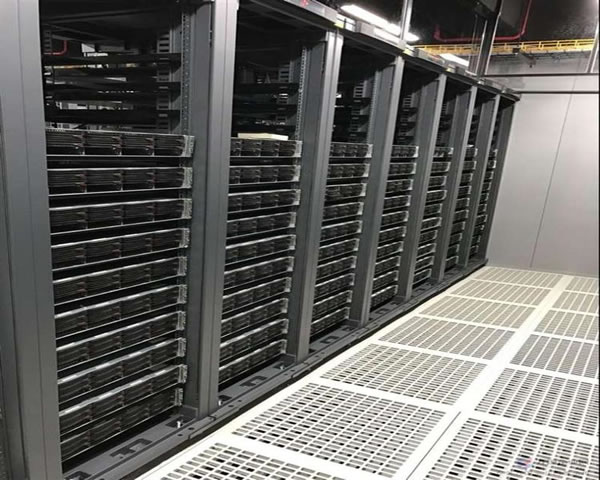
Analysis Of Why Server Hosting In U.S. Cera Data Centers Has Become A Preferred Node For Content Distribution
Analyze the advantages of hosting servers in U.S.-based CERA data centers for content distribution, covering key factors such as network connectivity, latency, bandwidth, security compliance, scalability, and operations maintenance, while providing recommendations for node selection optimized for SEO and GEO considerations. -

Guide And Recommendations For Which Us Site Group Server Is The Best Choice?
this article will provide you with selection guides and recommendations for us site group servers to help you make wise decisions in seo optimization. -
Access Speed Server How To Improve The Global Access Experience Of Adult Websites In The United States Through Cdn
discuss how access speed servers for adult websites in the united states can improve the global access experience through cdn, covering practical points such as edge node distribution, caching strategies, tls, monitoring and failover.